Before you sign anything
What the work involves and what each document does, walked through with you.
Estate planning · California
Jenny is admitted in California. Families near the state line can come into the Reno office; families farther away, as far as Los Angeles, meet over Zoom and sign over video where California allows it.
A California plan is built from a revocable living trust or a will, a financial power of attorney, an advance health care directive, and the deed that puts the home into the trust. Four California rules shape them. The state has its own statutory forms, a court-supervised probate that most homeowners plan to avoid, a state income tax that can reach trust income, and property tax rules that can reassess a home when it passes to the next generation.
California is a community property state, so most of what a married couple earns or acquires during the marriage belongs to them half and half. California adds a rule Nevada does not mirror in the same way: property a couple acquired while living in another state is treated as if it were community property once they live in California. For a couple who moved in with assets built elsewhere, that can change what each spouse is free to leave.
A California probate runs through the superior court of the county where the person lived, or where the property sits if they lived elsewhere. It is court-supervised from the first petition to the final order, and it is public. California has an affidavit procedure for small estates and a separate simplified procedure for a primary residence, which the state expanded in 2025. Both ceilings change over time. For most homeowners, the practical answer is a revocable living trust that has been funded.
Putting a California home into a trust takes a deed prepared for California and recorded with the county recorder where the land sits, along with the ownership report the county assessor requires with every recorded transfer. A trust that was signed but never funded leaves the house exactly where it was. It’s a common defect in a plan someone brings in for review.
California limits how fast a home’s assessed value can rise while the same owner holds it, and reassesses at current value when ownership changes. Moving your home into your own revocable trust is not a change of ownership. Leaving it to your children can be: the exclusion for transfers from parent to child was narrowed by a 2020 ballot measure that took effect in 2021, and it now turns largely on whether the child makes the home their own primary residence. A family cabin held for decades is where this matters most.
California has a state income tax, and it can tax the income of a trust based partly on where the trustee and the beneficiaries live. Naming a California relative as trustee of a family trust, or a Nevada relative as trustee of a California one, has consequences worth talking through.
California’s Probate Code sets out a statutory form power of attorney and a statutory advance health care directive. Those are the documents California hospitals and banks recognize on sight. A Nevada power of attorney is usually still valid in California, and the reverse, but it is the document most likely to be questioned in an emergency.
California recognizes a handwritten will and offers a fill-in statutory will form; both are valid and both still go through probate. It also allows a revocable transfer-on-death deed for a home, with signing and witnessing requirements and a short statutory window in which the deed must be recorded to be effective. It suits a simple situation.
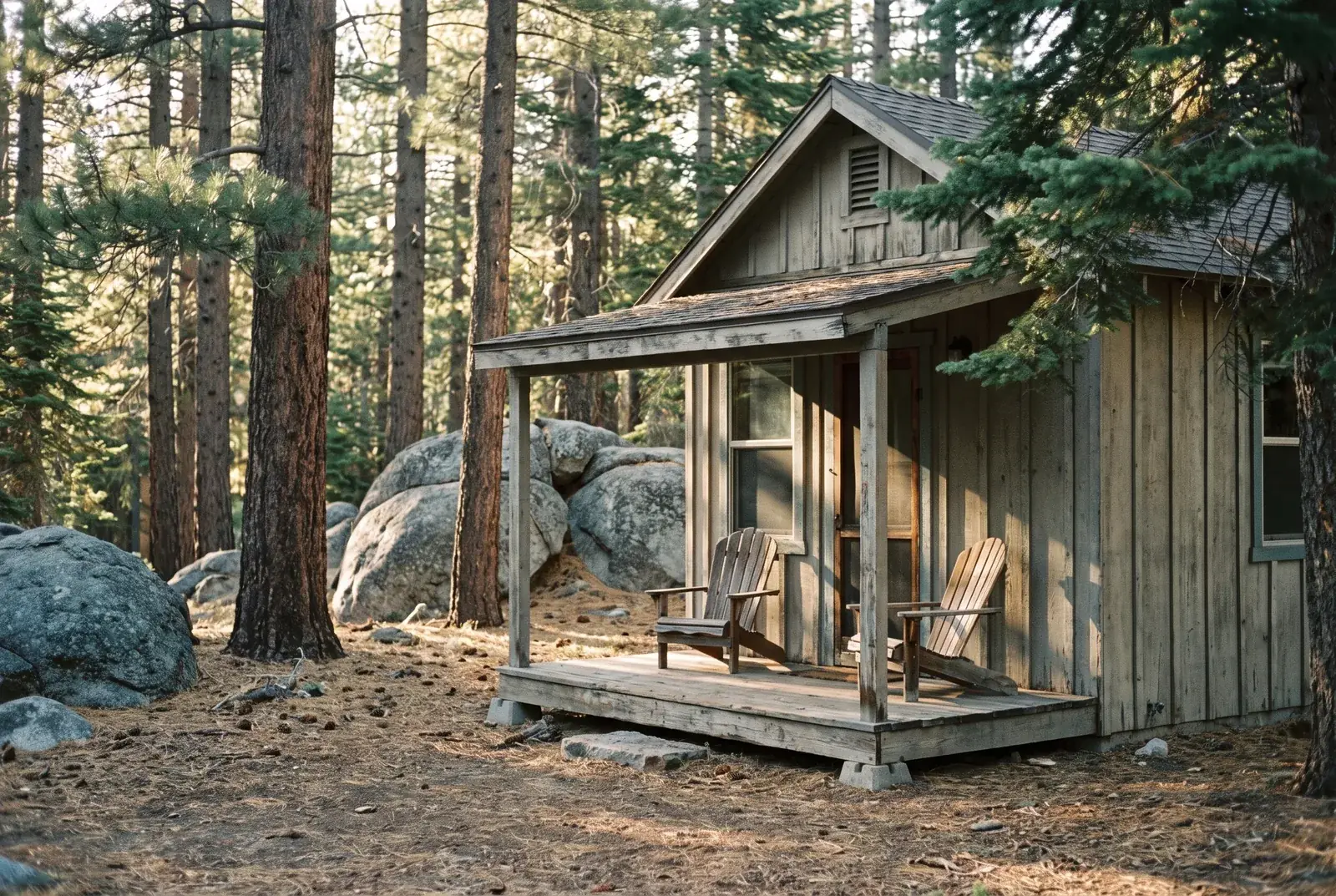
Real estate follows the law of the state it sits in. A Nevada resident who dies owning a California cabin in their own name usually leaves the family with a California probate for the cabin, on top of whatever happens in Nevada. The fix is ordinary and is done in advance: the cabin goes into the trust by a California deed, and the trust is drafted knowing the cabin exists. One trust is usually enough. The guide to the differences between the two states goes through this in more depth.
What the work involves and what each document does, walked through with you.
Nothing starts until you know the fee and how payment works. No fee at the time of consultation for an estate plan.
Only one who is admitted in California. Jenny is.
One plan, drafted with both states in mind. A California deed into your trust is usually the fix.
Moving a home into your own revocable living trust is not treated as a change of ownership, so it does not by itself trigger reassessment. What happens when the home later passes to your children is a separate question.
No. Only the federal estate tax applies, and only to estates above the federal exemption. The California taxes that matter in planning are the state income tax and the property tax reassessment rules.
When you’re ready